Aquarium Filter & Pump Price Nepal - Safe & Healthy Fish
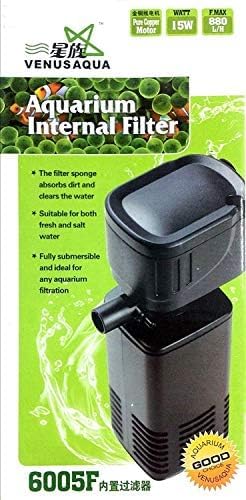
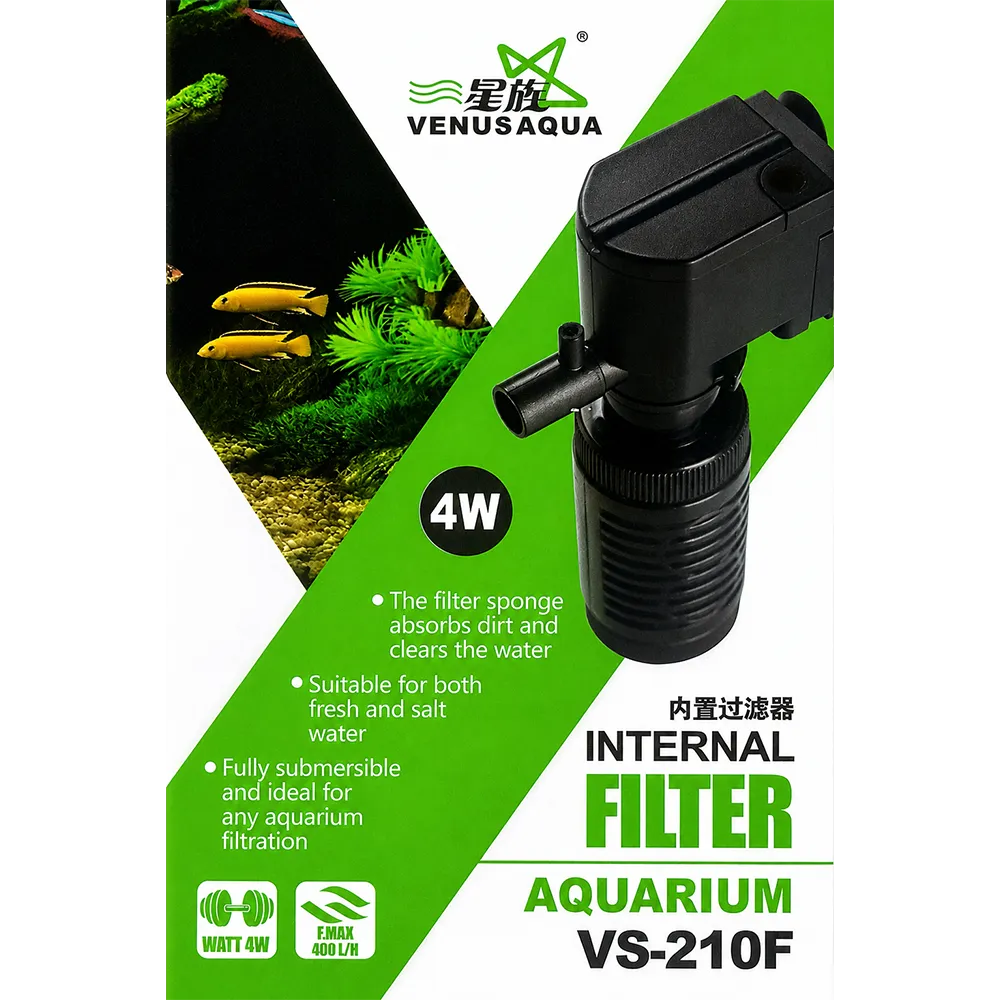
Aquarium Filter & Pump Price in Nepal 2026: Complete Buyer's GuideA beginner in Lalitpur sets up a 2-ft goldfish tank with just an air stone, no filter. Within 2 weeks, ammonia spikes, fish gasp at the surface. He adds a NPR 200 internal "3-in-1" filter from a New Road shop — it clogs in 3 days because it has zero biological media, just a thin sponge. Fish die. A proper NPR 500 sponge filter with a NPR 500 air pump — NPR 1,000 total — would have provided both mechanical and biological filtration.Nepal's aquarium hobby is surging. Kathmandu's oldest shop, RR Aquarium (Battisputali, est. 1991), reports 10x customer growth. 25+ shops operate across Kathmandu Valley. Most beginners still lose fish in month one — inadequate filtration is why.3-Stage Filtration: What Your Filter Actually DoesStageWhat It DoesMedia UsedWhy It MattersWithout It1. MechanicalTraps debris (waste, food, plant matter)Coarse sponge, fine sponge, filter flossRemoves visible wasteCloudy, debris-filled water2. BiologicalBacteria convert ammonia → nitrite → nitrateCeramic rings, bio balls, sponge surface, lava rockRemoves invisible toxinsAmmonia/nitrite poisoning — the #1 fish killer3. Chemical (optional)Removes dissolved toxins, odor, discolorationActivated carbon, zeolite, PurigenPolishes waterYellow water, lingering medication residueBiological filtration is the most important stage — and the one most Nepal beginners ignore. A filter with zero ceramic rings or bio media just moves dirty water in circles. Always add biological media (NPR 200-500 per bag) to any filter.The Nitrogen Cycle (simplified):Fish produce ammonia — toxic above 0.25 ppm.Bacteria on bio media convert ammonia to nitrite — still toxic.More bacteria convert nitrite to nitrate — safe up to ~40 ppm.Weekly water changes (20-30%) remove accumulated nitrate.This process takes 4-6 weeks to establish in a new filter. Never add fish to a new tank on Day 1 — cycle the filter first.Filter Types: Complete Nepal ComparisonFilter TypeTank SizeStagesNoiseNepal Price (NPR)Best ForSponge Filter1-3 ftMechanical + BiologicalSilentFilter 100-500 + Air Pump 300-2,500 = 400-3,000 totalBetta, shrimp, breeding, hospital tanksInternal/Submersible (3-in-1)1-3 ftMechanical + light biologicalLow-Medium200-2,000Beginners, simple setupsTop Filter/Overhead2-4 ftAll 3 stagesMedium300-2,500Most popular in Nepal — community tank standardHang-On-Back (HOB)2-4 ftAll 3 stagesLow-Medium500-3,000Clean aesthetic, moderate stockingCanister Filter3-6+ ftAll 3 stages, max capacityVery Low3,000-25,000Planted tanks, heavy stockingSump Filter4-6+ ftAll 3 stages, max customizationLowDIY 2,000-8,000 + pump 1,500-6,500Monster fish (Arowana, Oscar, Flowerhorn)For most Nepal beginners with a 2-ft goldfish/guppy tank: a top filter (NPR 300-1,500) or sponge filter (NPR 400-1,000 total) is all that's needed. Don't buy a NPR 10,000 canister for a 2-ft tank — it's overkill, and the flow will blast small fish around.Air Pump vs Water Pump: The Confusion SolvedFeatureAir PumpWater/Submersible PumpWhat it movesAir (through tubing to air stone)Water (through filter/return pipe)PurposeOxygenation, drives sponge filterDrives canister/sump/top filter, water changesWhere it sitsOutside tankInside tank or externalSoundVibrating humMotor whir, usually quieterNepal priceNPR 300-3,000NPR 500-6,500Nepal brandsSobo, HIDOM, XilongHIDOM, Sobo, Sunsun, AtmanWhen You Need What:Sponge filter: needs air pump only.Internal/3-in-1 filter: built-in water pump; air pump recommended as backup oxygenation.Top/HOB filter: needs water pump (may be included); air pump recommended.Canister filter: built-in water pump; air pump recommended.Sump: needs separate water pump; air pump recommended.99% of Nepal aquariums benefit from having both — a filter (any type) plus a small air pump with air stone for backup oxygenation during power cuts, hot weather, or filter maintenance.Tank Size × Filter Matching GuideNepal Tank SizeLitersFish ExamplesBest Filter TypeTurnover RateFilter Budget (NPR)1 ft (nano/betta)5-10LBetta, Shrimp, SnailsSmall sponge filter3-5x/hour400-1,0001.5 ft (small)15-25LGuppies, Neon TetrasSponge or small internal4-6x/hour500-1,5002 ft (beginner standard)30-50LGoldfish, Mollies, PlatiesTop filter, HOB, or sponge5-8x/hour800-2,5003 ft (community)80-120LAngel Fish, Tetras, CorydorasTop filter + sponge or HOB5-8x/hour1,500-5,0004 ft (large community)150-250LDiscus, Cichlids, Planted tankCanister or sump4-6x/hour5,000-15,0005-6 ft (monster/large)300-600L+Arowana, Oscar, FlowerhornSump or large canister3-5x/hour8,000-25,000+Turnover Rate Explained:Turnover rate = how many times the filter processes the entire tank volume per hour.Example: a 100L tank with 5x turnover needs 500 LPH flow rate.Rule: filter rated for 5-8x tank volume/hour for freshwater community, 3-5x for large/low-stocking.A 2-ft tank (40L) needs ~200-320 LPH. A 4-ft tank (200L) needs ~1,000-1,600 LPH. Undersized filter causes poor water quality; oversized filter creates excessive current that stresses fish.Master Price Table: All Aquarium Filters & Pumps in NepalSponge FiltersTypeFor TankPrice (NPR)Generic single sponge (small)1-1.5 ft100-200Generic single sponge (medium)2 ft150-300Generic double sponge2-3 ft250-500XY-2831 type2-3 ft200-400Requires separate air pump (see below).Internal/Submersible Filters (3-in-1)BrandModelLPHFor TankPrice (NPR)SoboWP-1000F300 LPH1-2 ft200-500SoboWP-2880F880 LPH2-3 ft400-800AquaniceVarious300-600 LPH1-2.5 ft500-1,200HIDOMAP-1350F650 LPH2-3 ft600-1,200SunsunHJ series300-1000 LPH1-4 ft500-2,000Top Filters/OverheadTypeLPHFor TankPrice (NPR)Generic 2-tray400-600 LPH2-2.5 ft300-800Generic 3-tray600-1000 LPH2.5-3.5 ft500-1,500Sobo/HIDOM800-1500 LPH3-4 ft800-2,500Hang-On-Back (HOB) FiltersBrandLPHFor TankPrice (NPR)Aquanice Nano HOB200-300 LPH1-2 ft500-1,000Sobo300-600 LPH2-3 ft800-1,500Sunsun HBL series300-800 LPH2-4 ft1,000-2,500HIDOM400-800 LPH2-4 ft1,000-3,000Canister FiltersBrandModelLPHFor TankPrice (NPR)SunsunHW-602B400 LPH2-3 ft2,500-4,000SunsunHW-603B600 LPH3-4 ft3,500-5,500SunsunHW-30003000 LPH5-6+ ft8,000-12,000HIDOMEF series800-1500 LPH3-5 ft5,000-10,000EHEIMClassic/Ecco (import)440-1000 LPH2-5 ft12,000-25,000Fluval107/207/307 (import)550-1150 LPH2-5 ft10,000-22,000Air PumpsBrandOutletsFor TankPrice (NPR)Generic single outlet11-2 ft300-500Sobo SB series1-21-3 ft500-1,500HIDOM HD series1-42-5 ft800-2,500Sunsun1-42-6 ft1,000-3,000Battery backup air pump1Emergency800-2,000Water/Submersible PumpsBrandLPHForPrice (NPR)Sobo WP series600-2000 LPHTop filter, sump, water change500-2,000HIDOM MP/DP/HP series2500-8000 LPHSump, large canister3,500-6,300Sunsun JP/HJ series300-5000 LPHVarious500-5,000.Filter Media Guide: What Goes Inside Your FilterMediaStageFunctionReplace?Nepal Price (NPR)Coarse SpongeMechanicalTraps large debrisRinse monthly, replace yearly50-200/pieceFine SpongeMechanicalTraps fine particlesRinse monthly, replace 6 months50-150Filter Floss/WoolMechanicalPolishing water clarityReplace every 2-4 weeks50-100/sheetCeramic RingsBiologicalHouses beneficial bacteriaNever replace, rinse gently200-600/500g bagBio BallsBiologicalBacteria housingNever replace200-500/bagLava Rock (broken)BiologicalCheap porous bio mediaNever replace50-200/kg (DIY)Activated CarbonChemicalRemoves toxins, odorReplace every 4-6 weeks100-300/packetZeoliteChemicalRemoves ammonia directlyReplace every 2-4 weeks150-400/packetMedia Order (flow direction): Water in → Coarse Sponge → Fine Sponge/Floss → Ceramic Rings/Bio Balls → Activated Carbon (optional) → Water out. Always put mechanical media before biological — if debris reaches bio media first, it clogs and kills beneficial bacteria.Nepal Hack: Lava rock from Kathmandu garden/construction shops (NPR 50-200/kg) is an excellent cheap biological media. Break into small pieces, rinse, add to any filter — same function as NPR 500 ceramic rings at 1/5 the price.Nepal Water Quality × Aquarium TreatmentKathmandu tap water (Melamchi supply) contains chlorine, which kills beneficial bacteria and damages fish gills.Dechlorination is mandatory: Seachem Prime (NPR 500-800), API Stress Coat (NPR 400-700), or generic dechlorinator (NPR 200-400).Bore well water may contain heavy metals like iron and arsenic — test before use (test kit NPR 500-1,500).Kathmandu water pH runs typically 7.0-8.0, slightly alkaline, suitable for most tropical fish without adjustment.Hardness is moderate-high in some areas, affecting breeding of soft-water species like tetras and discus.Never add tap water directly to a tank. Always dechlorinate — a NPR 200 dechlorinator bottle treats 500+ liters, the cheapest life insurance for your fish.Power Cut Backup: Keeping Fish AliveFilter stops during power cut → circulation stops → oxygen drops → bacterial die-off in filter → ammonia spike if prolonged.Short cuts (under 2 hours): fish survive in most non-overstocked tanks.Long cuts (2-8+ hours): oxygen depletion becomes critical.Solutions for Nepal:Battery-operated air pump (NPR 800-2,000): runs on D-cell batteries, the most important backup device for Nepal aquarists.Small UPS for filter pump: NPR 3,000-5,000, keeps filter running during cuts.Manual agitation: pour water between two clean containers to oxygenate in emergencies — free but labor-intensive.Reduce feeding during outages — less food means less waste and less oxygen demand.A battery air pump at NPR 1,000 is the single most important aquarium accessory in Nepal — more important than fancy lights or decorations.Fish Type × Filter RequirementFishBioloadFlow PreferenceFilter NeedMinimum Setup (NPR)BettaLowVery LowSponge filter ONLY500-800Guppy/Molly/PlatyLow-MediumLow-MediumSponge or small internal500-1,000GoldfishHigh (messy)MediumTop filter or HOB, frequent cleaning1,000-2,000Neon Tetra/CardinalLowLowSponge or gentle HOB400-800Angel FishMediumLow-MediumHOB or canister1,000-2,000DiscusHighLow (gentle)Canister with sponge pre-filter5,000-12,000Oscar/FlowerhornVery HighMediumSump or large canister5,000-15,000ArowanaHighLow-MediumSump, 5+ ft tank8,000-20,000Shrimp (Cherry/CRS)Very LowVery LowSponge filter ONLY300-500CorydorasLow-MediumLowSponge + sand substrate400-1,000Betta and shrimp cannot survive in strong-flow filters — their bodies get exhausted or sucked into intakes. Sponge filter only for these species. Goldfish and Oscars are the opposite — they produce so much waste that no sponge filter keeps up. They need powered filtration with high media capacity.Noise Level Comparison: Bedroom AquariumsFilter TypeNoise LevelBedroom OK?Main Noise SourceSponge filterMinimalYesAir pump vibrationInternal filterLowYesMotor hum, increases as sponge clogsTop filterMediumMaybeWater splashing from trayHOB filterMediumMaybeWaterfall return soundCanister filterVery LowYesAlmost silent, sealed below tankSump filterLow-MediumDepends on pumpPump noise + water returnFor bedroom aquariums: sponge filter or canister filter. Both are near-silent. Top filters and HOBs create water noise that can disrupt sleep.DIY Sump Filter: Nepal Hobbyist GuideA sump is a separate glass chamber below the main tank with baffles creating 3-5 compartments.Water flow: tank overflow → sump inlet → mechanical media chamber → biological media chamber → chemical media (optional) → pump chamber → returned to main tank.Nepal DIY Sump Cost:Custom glass sump tank: NPR 1,500-5,000 (Kathmandu glass shops)Glass baffles (cut + silicone): NPR 500-1,000Submersible pump (HIDOM/Sobo): NPR 1,500-4,000Filter media (sponge + ceramic + carbon): NPR 500-1,500Piping + overflow: NPR 300-800Total DIY sump: NPR 4,300-12,300Compare to a commercial sump system, which would cost NPR 15,000-30,000+ if available in Nepal. DIY sumps are popular among Nepal's Oscar, Arowana, and Flowerhorn keepers — these fish need the filtration capacity that only sumps provide at an affordable Nepal price.Filter Maintenance Schedule: Nepal SpecificTaskFrequencyHowRinse mechanical spongeEvery 2 weeksSqueeze in OLD tank water, never tap waterRinse/replace filter flossEvery 2-4 weeksReplace if disintegratingCheck bio media (ceramic rings)MonthlyGently rinse in old tank water only if clogged — never scrubReplace activated carbonEvery 4-6 weeksRemove old, add new bagClean impeller/motorMonthlyRemove, clean with soft brushCheck tubing (canister/sump)MonthlyInspect for algae, kinks, leaksDeep service (canister)Every 2-3 monthsFull disassembly, clean all chambersThe #1 rule: never wash filter media in tap water. Chlorine in tap water kills beneficial bacteria instantly. Always rinse in old tank water removed during a water change.5 Filtration Mistakes Nepal Beginners MakeNo biological media in filter — a thin sponge alone has zero bacteria colony; ammonia kills fish. Add ceramic rings or bio balls to any filter.Washing filter in tap water — chlorine kills all beneficial bacteria, crashing the cycle; ammonia spikes and fish die within 48 hours.Adding fish on Day 1 — a new filter has zero bacteria. Cycle the tank 4-6 weeks before adding fish, or use fish-in cycling with daily water changes and dechlorinator.Replacing all filter media at once — removes the entire bacteria colony, causing a mini cycle crash. Replace media one piece at a time, weeks apart.Buying an oversized filter for a small tank — a 2000 LPH filter on a 20L betta tank blows the betta around; it can't eat, gets exhausted, and dies. Match flow to tank size and species.Brand-Wise Decision FrameworkSobo — Nepal's most widely available aquarium brand: filters, pumps, air pumps, heaters. Budget quality, adequate for most setups. NPR 200-2,000.HIDOM — better build quality than Sobo, popular for pumps and canisters. Available via Nepal Aqua Studio. NPR 600-6,300.Sunsun — best value canister filters globally, wide range. Available via Daraz and some Nepal shops. NPR 500-12,000.Xilong/Jebo/Atman — budget Chinese alternatives, adequate for basic use. NPR 300-3,000.EHEIM — German, gold standard for canister filters, 10+ year lifespan. Personal import only. NPR 12,000-25,000.Fluval — Canadian, excellent HOB and canister range. Personal import. NPR 10,000-22,000.Annual Cost of Aquarium FiltrationSetupInitial Investment (NPR)Annual Media + ElectricityOngoing/Year2-ft beginner (sponge + air pump)800-1,500300-500 + 200500-7002-ft (top filter)1,000-2,500400-800 + 300700-1,1003-ft community (HOB + sponge)1,500-3,500500-1,000 + 400900-1,4004-ft planted (canister)5,000-12,000600-1,200 + 6001,200-1,8005-ft monster fish (DIY sump)5,000-12,000800-1,500 + 8001,600-2,300A fully functioning aquarium filtration system costs NPR 500-700/year to maintain on a 2-ft tank — about NPR 42-58/month. Less than a cup of tea per month to keep your fish alive.ConclusionAquarium filter and pump price in Nepal ranges from NPR 600 (sponge filter) to NPR 25,000 (premium canister). A functional beginner setup — sponge filter plus air pump — costs just NPR 800-1,500.Always add biological media. Never wash filter in tap water. Cycle before adding fish. A battery air pump is essential backup. Prices updated monthly.Last Updated: July 25, 2026
Aquarium Filters & Pumps
Top picks and best deals in Aquarium Filters & Pumps