Mustard Oil Price in Nepal | तोरी, सरसों को तेल | Pure Oil, Pure Taste
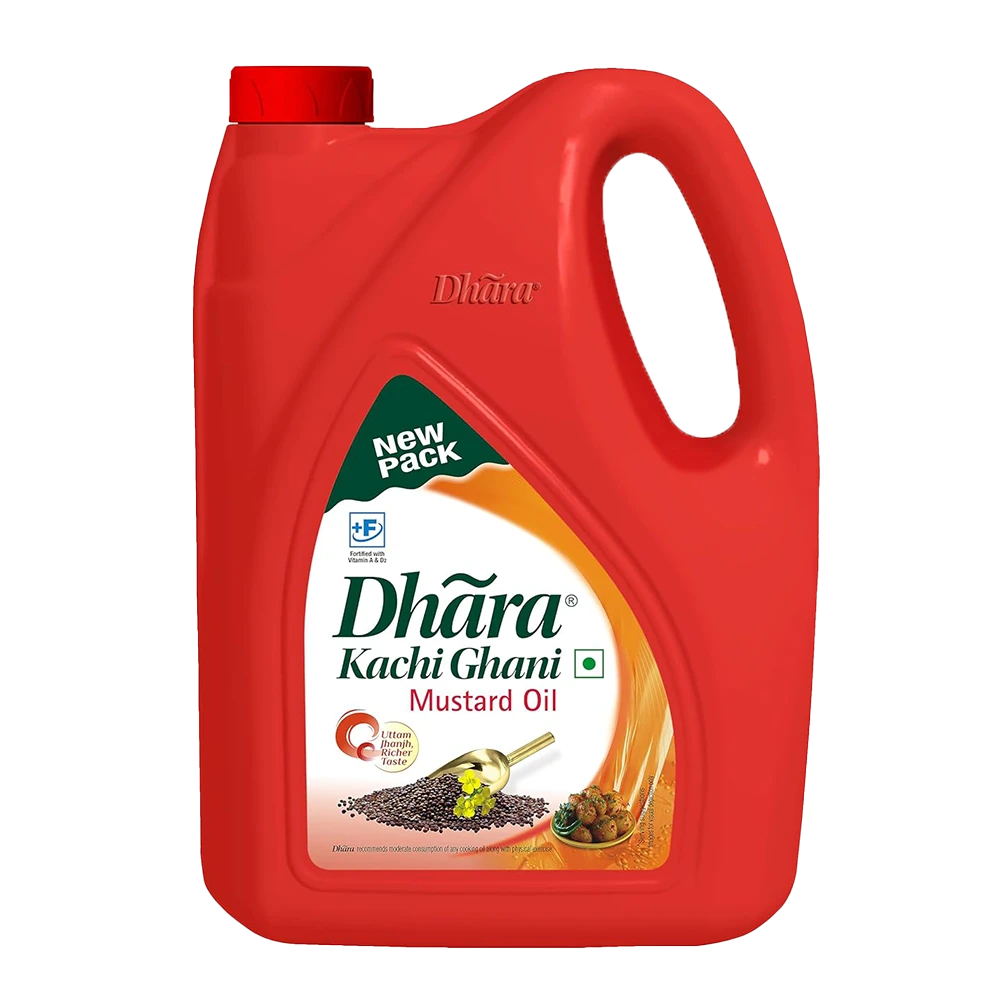
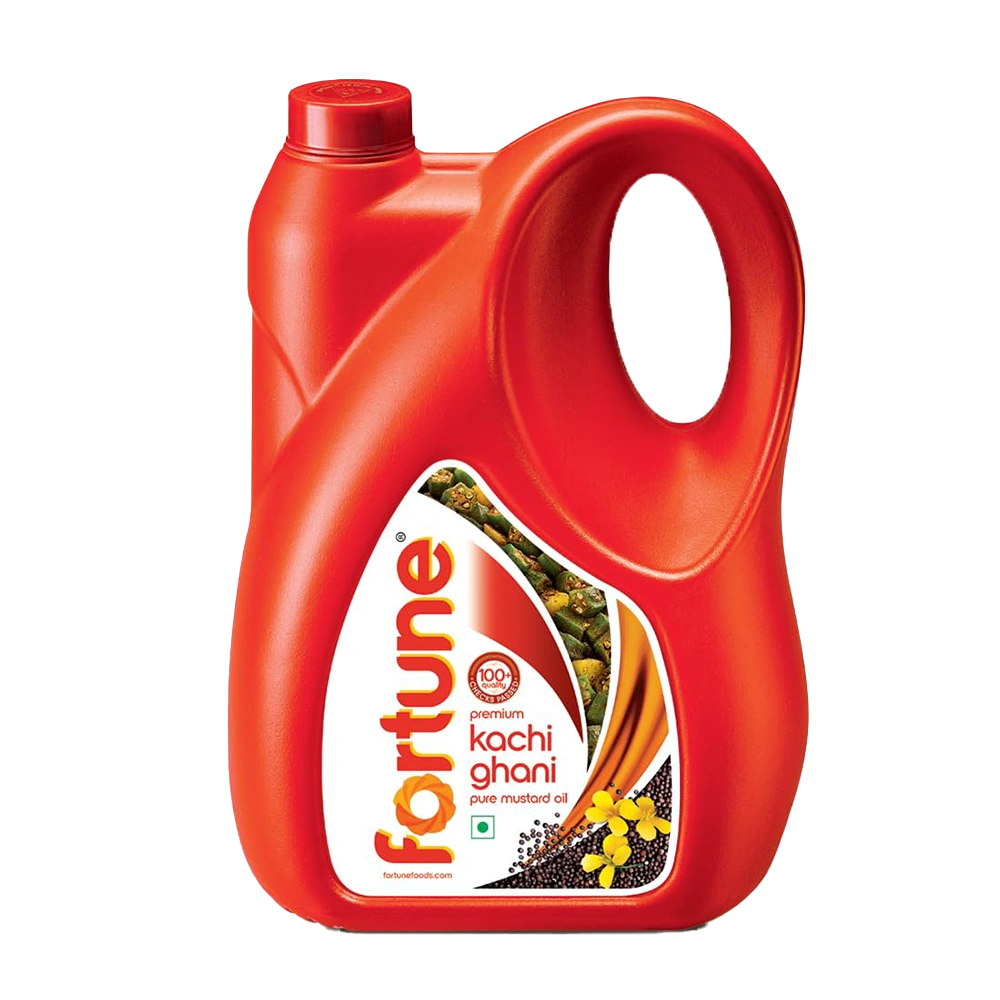
Mustard Oil Price in Nepal 2026: NPR 230-500/LA Lalitpur housewife buys "pure mustard oil" for NPR 220 a liter — NPR 40-50 cheaper than Dhara or Swastik. The color looks right. The smell is faint, not sharp. Three months later, sediment settles at the bottle's base. Lab tests on similar products confirm palm oil cutting. DFTQC has prosecuted 115+ companies for adulterated food products in Nepal, mustard oil among them.Nepal imports 80% of its mustard seed from India, France, Australia, and Russia despite growing mustard on 196,000 hectares domestically. Over 3.5 million households cook with तोरी को तेल daily. Annual cooking oil demand: 50,000 metric tons. Adulterated stock still reaches shelves.This page covers brand-by-brand NPR pricing, cost-per-liter comparison, home purity tests, NS Mark verification, Nepal-made manufacturer directory, and culinary use.Cold-Pressed vs Filtered vs Refined — कुन तेल कस्तो हो?No Nepal retailer explains what "cold-pressed" actually means before charging NPR 200 more per liter for it.FeatureCold-Pressed / Kachi Ghani (काची घानी)Filtered (Micro-Filtered)RefinedExtractionWooden/steel press, low temperatureMachine-pressed, then filteredSolvent-extracted + chemical refiningTemperatureBelow 50°CModerate heatHigh heat + chemicalsColorDark amber/reddish-brownGolden-amberLight yellowAromaStrong, pungentModerateMild to noneNutrientsMaximum retentionGood retentionReduced — chemicals strip nutrientsSmoke Point250°C250°C250°CShelf Life6-9 months9-12 months12-18 monthsBest ForAchar, tadka, massage, hairDaily cooking, fryingMild-flavor preferenceNepal Price (1L)NPR 300-500NPR 230-350NPR 200-280Nepal BrandsKhokana traditional, Nepal GramodhyogSwastik, Dhara, Byanjan, FamilyRare — few importsKachi ghani retains maximum nutrition but costs more and spoils faster. Filtered dominates Nepal's market — Dhara and Swastik lead this segment. Refined is cheapest but loses the pungency that defines Nepali cooking.Master Price Table — All Mustard Oil Brands in Nepal (तोरी को तेल मूल्य)BrandManufacturerTypeNS Mark?Sizes AvailablePrice (NPR)Cost/Liter (NPR)DharaK.L. Dugar Group, NepalgunjFilteredYes500ml, 1L, 5L, 10L140 / 265 / 1,300 / 2,550265-280SwastikK.L. Dugar Group, BiratnagarFilteredYes1L, 5L, 10L260 / 1,275 / 2,500250-260BigulK.L. Dugar GroupFiltered/PremiumYes1L, 5L280 / 1,350270-280ByanjanNimbus Nepal, BirgunjFirst-press filteredNS Mark 3500ml, 1L, 2L150 / 290 / 570285-300SunauloNimbus NepalFilteredYes500ml, 1L130 / 250250-260FamilyManufacturer TBDFilteredUnverified1L, 10L270 / 2,600260-270Nepal GramodhyogLocal Terai unitCold-pressedYes1L380-420380-420Kathmandu OrganicsKathmandu-basedCold-pressed organicOrganic cert1L450-500450-500Shiv ShaktiShiv Shakti Group, TeraiFilteredYes1L, 5L260-280 / 1,300260-280FortuneAdani Wilmar (import)Kachi ghani positioningImport-registered1L300-330300-330PatanjaliImport (India)FilteredImport-registered1L280-310280-310Khokana TraditionalSikali CooperativeCold-pressed (beam-press)Cooperative-verified1L (limited stock)450-600450-600Local Ghani-pressedUnbranded, village-levelCold-pressedNoneLoose, by kg300-400/kgNot comparable — unverifiedPrices from Nepal retailers as of January 2026. Wholesale/bulk pricing runs 10-15% lower. Ranges reflect regional variance (Kathmandu vs Terai) and retailer margins. Always verify NS Mark and DFTQC registration before purchasing — see purity guide below.Best Mustard Oil by Budget TierBudget — Under NPR 280/LSwastik (NPR 250-260/L) — NS Mark certified, HACCP facility, Biratnagar-made, best price-to-certification ratioSunaulo (NPR 250-260/L) — Nimbus Nepal's budget line, NS Mark verified, decent for daily tadkaFamily (NPR 270/L) — Widely stocked, NS Mark status unverified in retail listings — ask seller for batch documentationMid-Range — NPR 280-400/LDhara (NPR 265-280/L) — Nepal's largest-selling brand, NS Mark, widest distributionByanjan (NPR 285-300/L) — NS Mark 3, ISO 22000:2005, first-press technologyFortune (NPR 300-330/L) — Adani Wilmar import, kachi ghani marketing, import-registeredAt this tier: NS Mark certified, ISO certified, named manufacturer with traceable address. Quality assurance you cannot get below NPR 280.Premium / Artisanal — Above NPR 400/LKathmandu Organics (NPR 450-500/L) — Organic certified, small-batchNepal Gramodhyog (NPR 380-420/L) — Cold-pressed, local seed sourcingKhokana Traditional (NPR 450-600/L) — 500-year beam-press method, limited stock, highest MUFA contentCold-pressed/kachi ghani: higher nutrition, shorter shelf life, stronger pungency. Best for achar, raw use, massage — not everyday deep frying.Nepal-Made Mustard Oil ManufacturersK.L. Dugar Group (Largest)Brands: Dhara (largest-selling nationally), Swastik, BigulFactories: Biratnagar (Swastik), Nepalgunj (Saurabh/Dhara)Capacity: 450 TPD manufacturing, 150 TPD mustard crushingCertifications: HACCP (first in Nepal), NS Mark, ISONepal's first cold de-waxing technology (2000)Nepal's first fully automated oil millNimbus Nepal (Growing)Brands: Byanjan, SunauloFactory: BirgunjInvestment: NPR 550 millionCapacity: 100T soybean, 50T sunflower, 60T mustard/dayNS Mark 3, ISO 22000:2005, NABL-testedShiv Shakti GroupLargest private-sector edible oil refinery in NepalTerai-based, multi-oil processingTraditional / CooperativeKhokana Sikali Multipurpose Cooperative — 500-year heritage, under 50 MT/year, traditional beam-pressNepal Gramodhyog — 100% pure, cold-pressed, local seedsBuying Nepal-made mustard oil keeps money in the domestic economy and supports local agriculture — even though 80% of seed inputs are imported.Khokana — Nepal's 500-Year Mustard Oil HeritageKhokana village in Lalitpur has pressed mustard oil since Newar settlement — 500 years of continuous production. Traditional method: sift seeds, slow-roast, crush between wooden beams, collect oil by hand.Nepal's royal families historically used Khokana oil. Villagers once paid taxes in mustard oil instead of currency. The mill nearly disappeared until the Sikali Multipurpose Cooperative formed in 2002; by 2008, 540 members invested NPR 2.5 million to save it.Production today: under 50 MT/year, against modern mills' 100+ TPD. The traditional beam-press extracts only 50% of available oil — half of what modern mills recover — but yields oil with 60% monounsaturated fatty acid content, higher than most filtered brands. "The crushing of the seeds is a traditional method since the time of our forefathers," cooperative members say.🚨 How to Detect Adulterated Mustard Oil in NepalStep 1: Check NS Mark / DFTQC RegistrationNS Mark on label = government-tested and certifiedDFTQC registration number must appear on packagingNo NS Mark = no independent quality verificationStep 2: Check Label CompletenessRequired: manufacturer name + address, batch number, MFG/EXP date, net weight, ingredients, nutritional infoAny missing field is a red flagStep 3: The Refrigerator TestRefrigerate a small sample 2-3 hoursPure mustard oil: partial solidification, slight cloudinessAdulterated (palm oil mixed): solidifies completely — palm oil sets at a higher temperature than mustard oilStep 4: The Color & Smell TestPure: dark amber/reddish-brown, sharp pungent smellAdulterated: lighter color, weak or no pungency, greasy residue feel on fingersStep 5: The Heat TestHeat a small amount in a panPure: smooth rise to smoke point, distinctive sharp smellAdulterated: sputtering, off-odor, unusual residueStep 6: Price Reality CheckRaw mustard seed costs NPR 85-100/kg; 2.5-3 kg needed per liter of oilProduction cost alone exceeds NPR 250/liter1L "pure" mustard oil priced below NPR 200 is extremely suspicious — compare against the master price table aboveConsequences of Adulterated OilCardiovascular risk from unidentified fat sourcesDigestive issues from chemical additivesLong-term damage from heavy metals or industrial solvent residueLegal penalty under Nepal's Food Act, 1966: up to 5 years imprisonment + NPR 50,000 fineNS Mark & DFTQC Certification — What to Look ForNS Mark = Nepal Standards Mark, issued by Nepal Bureau of Standards and MetrologyDFTQC = Department of Food Technology and Quality Control — tests and certifies food safety nationwideNS Mark on mustard oil confirms testing for: acid value, peroxide value, erucic acid content, heavy metals, adulteration markersBrands carrying NS Mark: Byanjan (NS Mark 3), Swastik, Dhara, SunauloISO 22000 = international food safety management certification, held by Nimbus Nepal and K.L. Dugar Group facilitiesBuy NS Mark certified mustard oil only. No NS Mark means no independent test verification exists for that batch.Mustard Oil vs Other Cooking Oils — Nepal ComparisonFeatureMustard Oil (तोरी)Sunflower OilSoybean OilGheeOlive OilSmoke Point250°C230°C230°C250°C190°COmega-3High (10-12%)Low (0.2%)High (7%)NoneLow (1%)Omega-6Moderate (12-15%)High (65%)High (54%)NoneLow (10%)MUFA60%20%24%28%73%Erucic AcidHigh (30-50%) — see noteNoneNoneNoneNoneFlavorStrong, pungentNeutralNeutralNutty, richFruityNepal Cultural UseDal, achar, choyela, massageFrying, bakingGeneral cookingFestivals, religiousSalad, premiumNepal Price (1L)NPR 230-500NPR 280-400NPR 220-320NPR 600-1,500NPR 800-2,500Nepal ProductionYes (Dhara, Swastik, Byanjan)LimitedMajorYesImportedErucic acid note: Mustard oil contains 30-50% erucic acid, why it's banned as an edible oil in the USA, Canada, and EU. It has been consumed safely across South Asia for centuries. Low-erucic varieties exist but aren't traditional. WHO holds that more research is needed. Nepal has no consumption restriction.Culinary Use Guide — तोरी को तेल को प्रयोगUseApplicationTemperatureWhich TypeAchar (अचार) / PickleBinds spices, preservesRaw or light heatCold-pressed (strongest flavor)Tadka / Chhonk (छोंक)Tempering spicesHigh heatFiltered or cold-pressedChoyela / Kachila (Newari)Raw meat marinationRaw, no heatCold-pressed ONLYDal (दाल)Finishing drizzleNo heatAny typeDeep FryingPuri, pakoda, sel roti200°C+Filtered (neutral pungency)Baby MassageTraditional winter massageRoom tempCold-pressed pure — avoid refinedHair OilScalp conditioningRoom temp or warmedCold-pressed purePuja / DiyoOil lamp lightingN/AAny pure mustard oilFor achar and Newari cuisine — choyela, kachila, aloo cha — cold-pressed kachi ghani is non-negotiable. The pungency is the flavor.Storage Guide for Nepal's ClimateStore cool, dark, away from sunlight and heat sourcesTerai (35-45°C summer heat): keep in coolest room, tiled floor preferredKathmandu Valley: room temperature acceptable year-roundKeep container sealed tight — oxygen exposure causes rancidityDark glass or tin containers beat clear plasticCold-pressed: consume within 6-9 months of MFG dateFiltered: shelf life 9-12 monthsSpoilage signs: rancid smell, unusually dark color, thick sludgeNever reuse frying oil beyond 2-3 cycles — fatty acid breakdown creates harmful compoundsNepal Mustard Seed Context — Where Your Oil Comes FromNepal cultivates mustard on 196,000 hectares (FY 2020/21)Production: 214,055 metric tons annuallyKey districts: Dang, Bardiya, Banke (Lumbini); Morang, Sunsari (Koshi); Sarlahi, Parsa (Madhesh); ChitwanDespite domestic output, Nepal imports 80% of mustard seed — mainly India, plus France, Australia, RussiaAnnual cooking oil demand: 50,000 metric tons20 modern mills process most of Nepal's mustard oil supplyLocally called tora/rayo/raichi — dual use as leafy vegetable (saag) and oilseedRabi (winter) crop, harvested January-MarchHealth Benefits — Facts vs Myths (YMYL-Accurate)Supported by Evidence ✅60% MUFA — associated with cardiovascular benefitsContains omega-3 (alpha-linolenic acid) — anti-inflammatory propertiesHigh smoke point (250°C) — stable during cookingNatural antimicrobial compound (allyl isothiocyanate)Used in Ayurvedic massage for circulation supportCommon But Overstated Claims ⚠️"Cures heart disease" — false. May support heart health; not a cure."Prevents cancer" — some lab studies show potential; not conclusive in humans."Best oil for all cooking" — high smoke point is real, but erucic acid content is a legitimate discussion point.The Erucic Acid Reality 🔬Contains 30-50% erucic acidBanned as edible oil in USA/Canada/EU following animal studies showing potential cardiac risk at high dosesSouth Asian populations have consumed it for millennia with no proven population-level harmLow-erucic varieties (canola) exist but aren't traditional Nepali mustard oilConsume in moderation as part of a varied diet. Consult your doctor if you have a cardiovascular condition.Annual Household Cost CalculatorHousehold SizeMonthly UseBudget Brand (NPR/yr)Mid-Range (NPR/yr)Cold-Pressed (NPR/yr)2 people1.5-2L4,200-5,6005,400-7,2007,200-10,8004 people (average)3-4L8,400-11,20010,800-14,40014,400-21,6006+ people (joint family)5-7L14,000-19,60018,000-25,20024,000-37,800Bulk 10L canN/ANPR 2,300-2,500NPR 2,700-3,000NPR 3,500-5,000Buying 5L or 10L saves 10-15% per liter versus 1L bottles.AvoidLoose/unbranded oil sold by weight from open drumsSuspiciously cheap "branded" oil — possible refilled containersAny oil without NS Mark or DFTQC registration visibleBrand-Wise Decision FrameworkDhara — Nepal's #1 selling mustard oil, first fully automated mill, NS Mark, widest availability — default safe choiceSwastik — Nepal's biggest manufacturer (Biratnagar), micro-filtered, HACCP certified, best quality-to-price ratioBigul — K.L. Dugar Group premium line, consistent qualityByanjan — NS Mark 3, ISO 22000, first-press technology — best for quality-conscious buyersSunaulo — Nimbus Nepal budget line, good valueFamily — budget option, NPR 270/L, adequate for daily cooking, verify NS status before bulk purchaseFortune — Indian import (Adani Wilmar), kachi ghani marketingKhokana traditional — heritage cold-pressed, premium price, limited stock, highest MUFANepal Gramodhyog — cold-pressed, local seed sourcing, 100% pureKathmandu Organics — organic certified, premium tierConclusionMustard oil in Nepal ranges from NPR 230/L (budget filtered) to NPR 500+/L (premium cold-pressed/organic). Always check for NS Mark before buying. If the price seems too low, the quality probably is too. Mustard oil is Nepal's culinary heritage — from Khokana's 500-year beam-press to modern Dhara factories — don't settle for adulterated substitutes. Prices updated monthly. Bookmark this page. "Mustard oil health claims on this page are based on documented nutritional composition — MUFA, omega-3/6 content, smoke point — not clinical cure claims. Mustard oil does not cure cardiovascular disease, cancer, or any medical condition. The erucic acid content (30-50%) is presented factually: it is banned as an edible oil in the USA, Canada, and EU due to animal-study cardiac risk findings, while remaining a traditional, widely consumed oil across South Asia for centuries with no established population-level harm. Consult a physician before making dietary changes if you have an existing cardiovascular condition."
Cooking Oils (Mustard, Sunflower, Soybean, Olive)
Top picks and best deals in Cooking Oils (Mustard, Sunflower, Soybean, Olive)